

REVIEW: “The Devil Wears Prada 2”
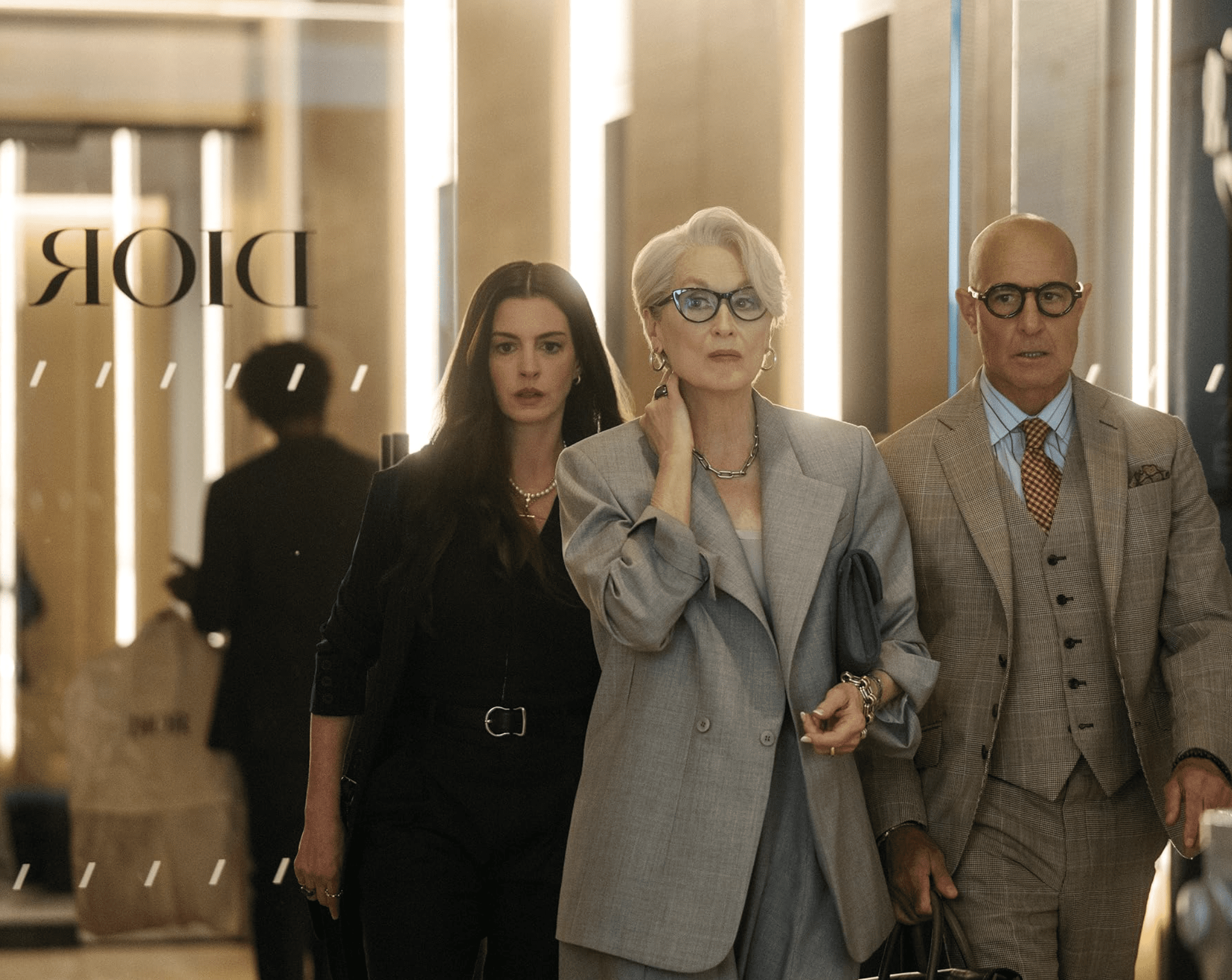
Courtesy of 20th Century Studios
In a perfect world, legacy sequels occur only when filmmakers have a great new story to tell. Not because Hollywood studios see a recognizable IP and simply want to cash in on our collective nostalgia. When they work - Top Gun: Maverick and Beetlejuice Beetlejuice are two recent examples - they find smart ways into their familiar worlds and give us a real reason to care. Sadly, The Devil Wears Prada 2 falls into a much larger pile of sequels that confuse recognition for inspiration. Even though most of the original talent returned, the movie rarely feels fueled by real creativity. It has all the right pieces but very little of the spark that made the original movie entertaining. The Devil Wears Prada wasn’t just a box office hit; it became a cultural touchstone. So, when this sequel was announced, the appeal wasn’t just about having the chance to see Miranda Priestly (Meryl Streep) and Andy Sachs (Anne Hathaway) again. It was about seeing them in a story sharp enough, funny enough, and alive enough to justify their big return.
Unfortunately, that story never materializes.
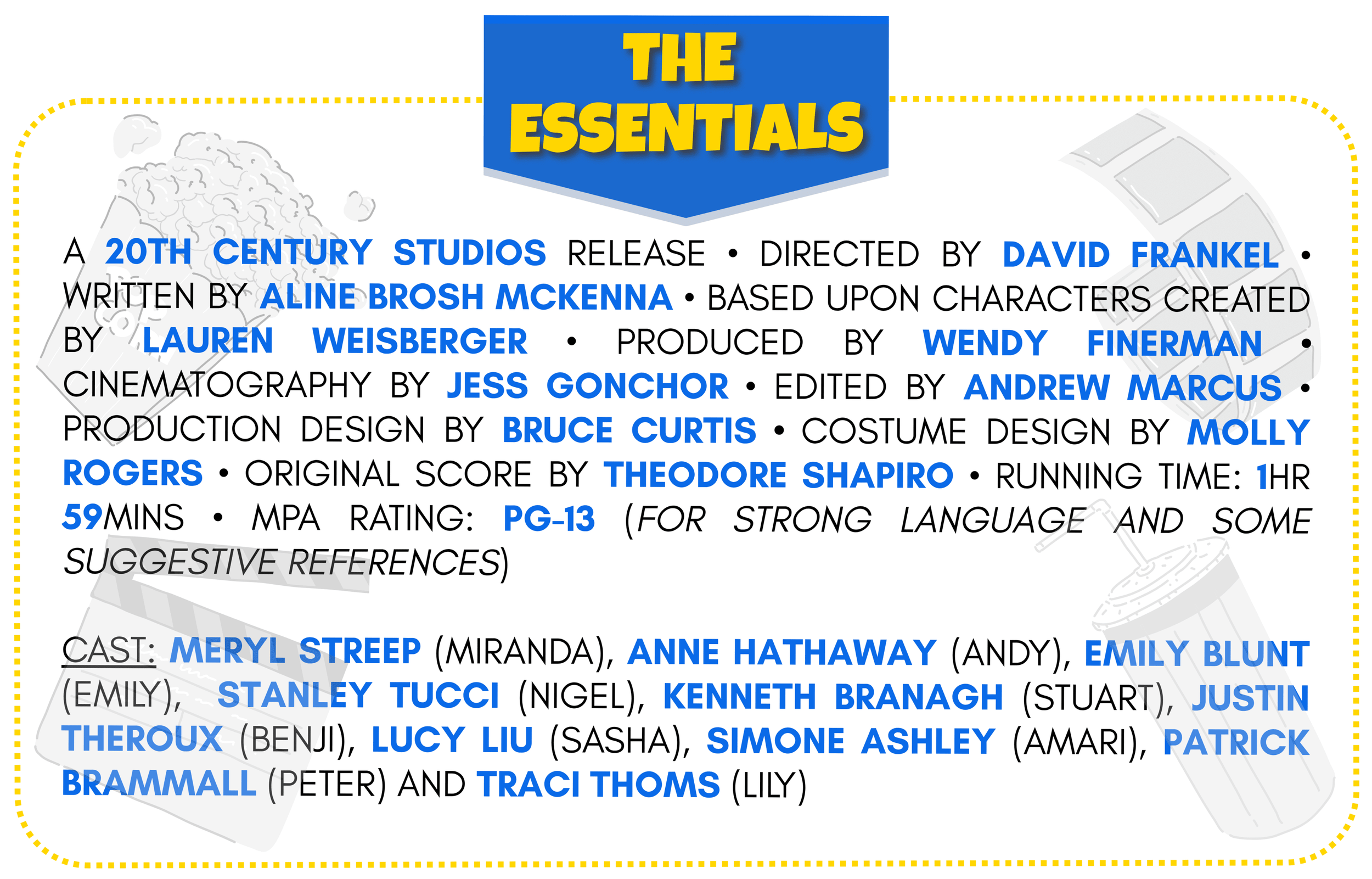
The movie tips its hand almost immediately. Opening with a riff on the first movie’s opening montage, The Devil Wears Prada 2 never feels like a true next chapter; it too often feels like a glossy reenactment full of recycled bits and callbacks that seem intent on making us remember the first movie rather than showing us anything new. Which is too bad, because the setup has real potential. In the twenty years since the original, fashion media and print journalism have changed quite a bit. Glossy magazines no longer command the same cultural authority they once did. Which raises an excellent question: who is Miranda Priestly if Runway is no longer the center of the fashion world?
As for Andy, she has spent the years since the first movie doing exactly what its ending suggested she would: building a serious career outside the world of fashion. But the sequel quickly pulls her back into Miranda’s orbit. After she’s laid off from her job as a reporter, Runway is hit with claims that one of the brands it supported has been found guilty of using sweatshop labor. To fix its image, the magazine’s publisher brings Andy in as the new features editor. It’s the kind of setup that should have produced sharper comedy and more dramatic tension.
Instead, the screenplay seems far more interested in repeating safer, older rhythms than digging into its fresher ideas. Part of what made the original movie so good was that it wasn’t just funny; it also offered keen observations on ambition, identity, and the compromises people make to get ahead. This sequel also touches on some great modern topics: the death of print media, the way billionaires strip institutions of their assets under the guise of saving them, and the struggle of legacy brands to stay relevant. But it never takes the time to fully explore any of them. Every time the movie seems like it’s going to say something, it backs away and returns to safer territory.
What really hurts the movie is how quickly it avoids its own conflicts. Hardships, career crises, and other moments that feel like potential crossroads for Andy or Miranda are quickly brushed aside through glossy montages and narrative shortcuts. Problems arise, a pop song kicks in, celebrity cameos abound, and the tension is gone before it has any real time to build. All of which gives the film a light, almost empty feel. That weightlessness is most damaging to Miranda herself. In the original, Streep made restraint feel like a weapon; a pause or a glance could take the air out of a room. Here, though, Miranda feels oddly defanged. Streep still knows how to land a cutting look or glance, but the character no longer has the same impact or power.
Hathaway fares a little better, though the script doesn’t do Andy any real favors. The strangest choice is shoehorning in a romantic subplot with a love interest who is as bland as bland gets. It adds almost nothing to Andy’s story or the character’s arc, and to make matters worse, Hathaway and Patrick Brammall have so little chemistry that their scenes feel less swoon-worthy and more like extra material meant to pad out the film’s running time. Emily Blunt still gets laughs as Emily Charlton, but she, too, seems slightly muted compared with her star-making turn in the first movie. The one clear bright spot is Stanley Tucci. As Nigel, he remains these films’ secret weapon: perfect comic timing, effortlessly charming, supplying a warmth that never becomes sentimental. Whenever Tucci’s onscreen, the movie briefly remembers how to be fun.
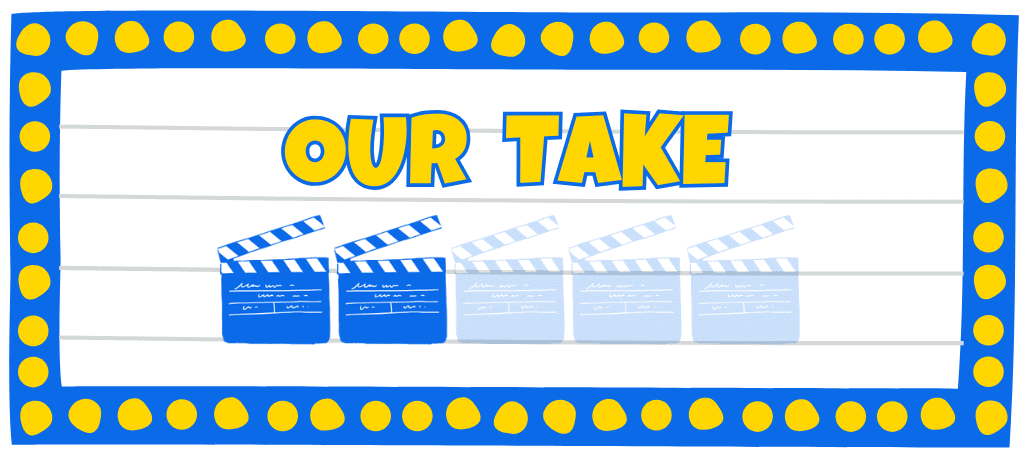
The Devil Wears Prada 2 isn’t a terrible movie, but it is deeply frustrating because you can easily see glimpses of a better movie throughout that never manages to come together. The main cast is still incredibly appealing, the clothes still look great, and the whole thing has the expected glossy finish for this kind of big studio movie. But style can only carry a movie so far. Unfortunately, the sharpness and emotional edge that helped make the first movie resonate are in short supply here, which makes the entire movie feel even more disappointing. For a movie so focused on style and presentation, its biggest flaw is how unremarkable it turns out to be.
The Devil Wears Prada 2 is currently playing in select theaters.