

REVIEW: “Don’t Say Good Luck”
Courtesy of Netflix
At first glance, Don’t Say Good Luck seems like a standard high school movie about a teenager juggling family, friendships, young love, and high school theater. But once it gets going, it doesn’t take long to realize the movie is actually about something much deeper and more genuine. It’s a warm, funny, and surprisingly tender look at growing up and facing that painful moment when you realize the people you love most won’t be around forever.
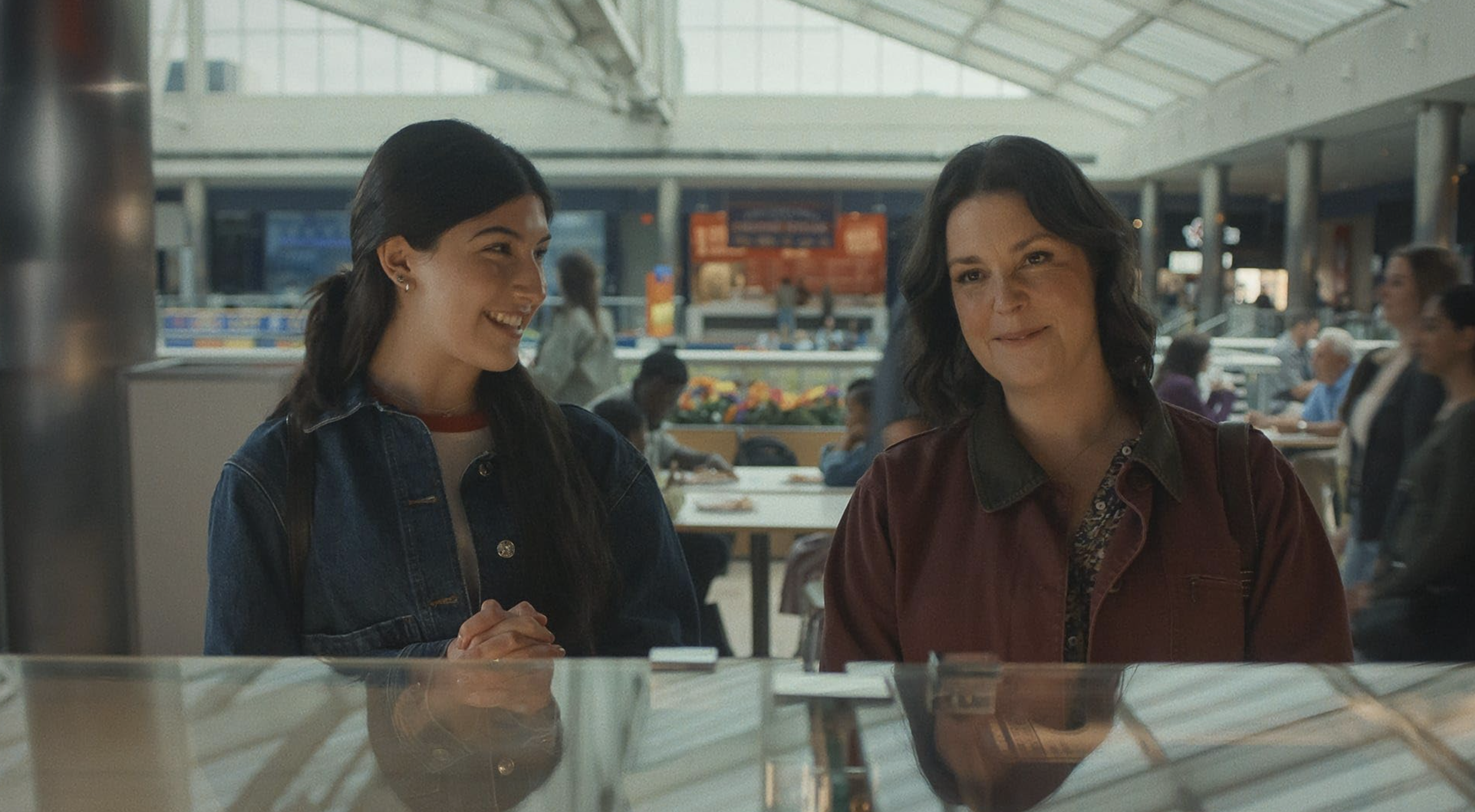
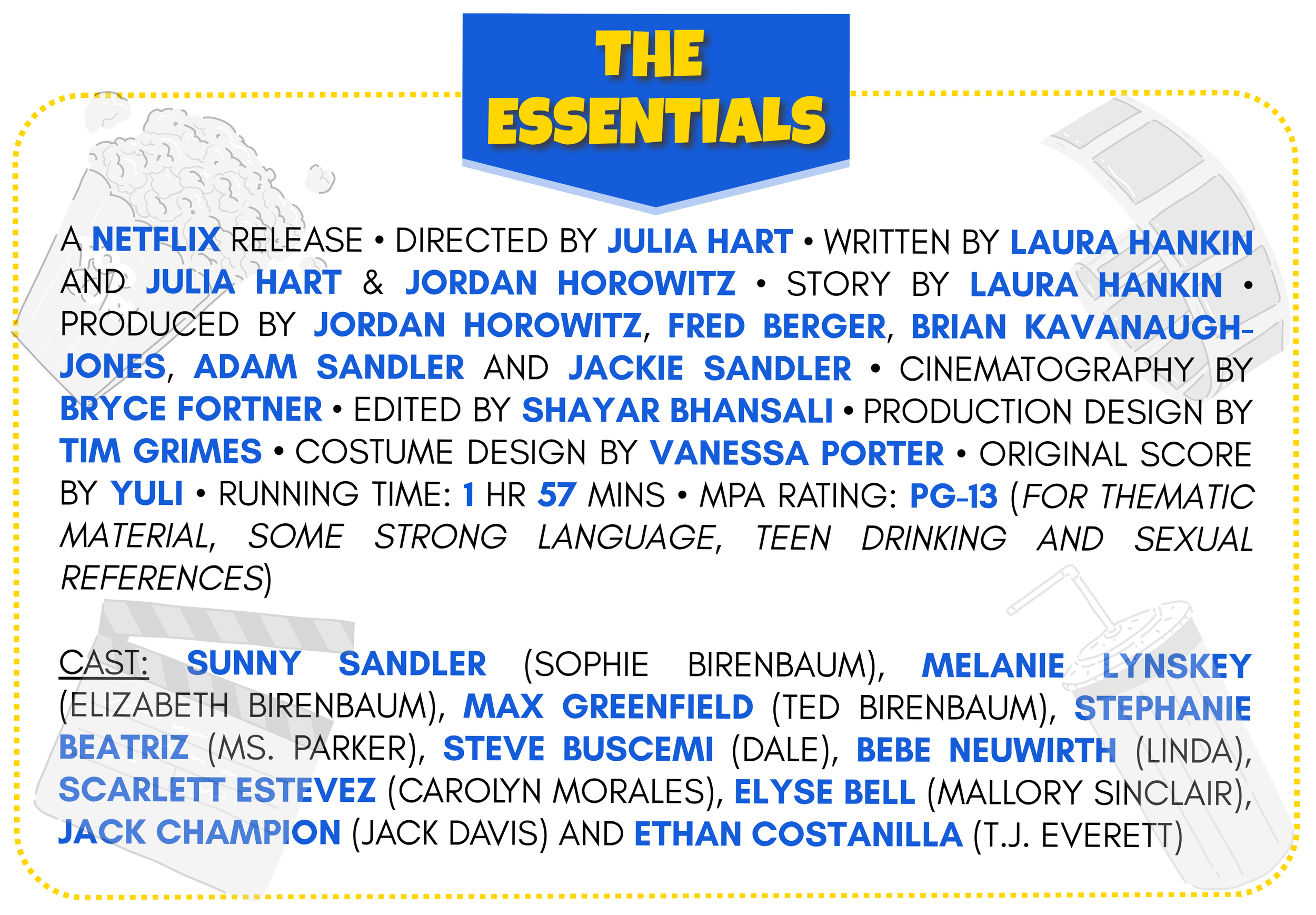
The movie follows Sophie Birenbaum (Sunny Sandler), a high school drama kid who lands the dream lead role in her school’s production of Waitress. It should be a highlight of her young life, but outside the theater walls, Sophie’s life is on the verge of unraveling. Her mom, Elizabeth (Melanie Lynskey), is facing the return of her cancer that had been in remission. This forces Sophie into a painful tug-of-war: celebrating the best days of her life while bracing for worse ones waiting just around the corner.
Sandler is pretty terrific here. There’s such an easy, effortless feel to her performance that Sophie immediately feels believable and instantly worth rooting for. What’s really impressive is how naturally Sandler captures the messy reality of being a teenager: the awkwardness, the self-centered moments, the sudden bursts of excitement and fear, all without looking like she’s trying too hard. One moment Sophie is acting mature beyond her years, and the next she’s reacting like a little kid, and Sandler nails how both can be true at the same time.
Lynskey is wonderful, but then again, when isn’t she? It would have been so easy for Elizabeth to embody the classic “sick mom” trope, a plot device that exists only to help foster Sophie’s personal growth. But Lynskey makes her feel like a real, breathing human being. She’s funny, fiercely loving, stubborn, and scared, radiating the kind of natural warmth that lights up every scene she’s in. She isn’t played as a saint or a martyr. She’s simply a mom who loves her life and wants to keep living it for as long as she possibly can.
The bond between Lynskey and Sandler is strong, which matters because Sophie and Elizabeth’s relationship is the movie’s emotional center. Their scenes together never feel manufactured or false. You feel the deep affection, the everyday irritation, the shared humor, and years of history between them. So when Don’t Say Good Luck finally goes for the emotional payoff, it hits you like a ton of bricks because the movie has earned it.
That same care extends to the rest of Sophie’s family too. Max Greenfield as her dad nails a fine balance, bringing plenty of laid-back charm while quietly showing the absolute terror of a husband facing the unthinkable. Steve Buscemi is perfectly cast as her warm, doting grandfather, while Bebe Neuwirth plays her no-nonsense grandmother with a disaffected coldness that belies her true concern for her daughter. Even when these characters are hovering around the edges of the story, the performances give them real weight. You get the sense that each member of this family is committed to showing up for Sophie while dealing with a shared heartbreak in their own distinct way.

Director Julia Hart, who co-wrote the screenplay with her husband Jordan Horowitz and novelist Laura Hankin, has always had a genuine feel for intimate, genuinely human, slice-of-life stories. That touch is all over Don’t Say Good Luck. A lot of modern movies can sometimes seem afraid of sincerity, probably because earnestness can easily slide into schmaltz. But Hart embraces it head-on here. She genuinely cares about her characters and all the tiny moments that make up their lives. In lesser hands, this story could have become maudlin or mawkish, but Hart keeps it from sliding into melodrama by letting every emotion feel completely earned and real.
Even the choice of Waitress as the school musical proves surprisingly inspired. It isn’t just a recognizable Broadway show randomly picked for Sophie and her classmates to perform. Hart cleverly weaves its songs and themes right into the fabric of Sophie’s story, having the music mirror her emotional journey. The stage becomes a safe place where Sophie can start working through the feelings she doesn’t yet have the words to express on her own.
There are times when Don’t Say Good Luck falls back on familiar high school movie tropes, and a few of the teen subplots could have used a bit more room to breathe. It’s those routine moments that keep the movie in “very good” territory rather than pushing it into the great category. But a few predictable tropes don’t matter much when a movie cares this deeply about the story it’s telling. Don’t Say God Luck knows exactly how to tug at the heartstrings without shamelessly yanking on them. Every tear feels earned because the journey in getting there is packed with real laughter, messy awkwardness, and heartfelt affection.
In the end, that’s what makes the movie work so well. Don’t Say Good Luck isn’t really about dying; it’s about learning how to keep living when you know loss is coming. It understands that happiness and sorrow can share the same space and that growing up sometimes means accepting that nothing-not childhood, not even the people who seem permanent-lasts forever. Hart could have made a simple tearjerker. Instead, she made something much rarer: a genuinely moving movie that earns its tears, while actually saying something.
Don’t Say Good Luck is currently available to stream on Netflix.